

Conversations about peacemaking can tend to communicate the notion that all force is always wrong. However, peacemaker Eric Patterson believes that we can work for peace while also supporting the use of force by legitimate authorities under the right circumstances. This way of thinking is known as the Just War tradition and has a long history within Christendom, tracing back to Augustine.
I met Eric Patterson at a dialogue between Christians and Muslims hosted at Eastern Mennonite University in 2011, and we hit it off immediately. As we talked he said to me, "Rick, you're a thoughtful peacemaker!"
Soon afterward he invited Peace Catalyst International to put on a peacemaking conference at Georgetown University. So we convened Evangelicals for Peace: A Summit on Christian Moral Responsibility in the 21st Century.
Since then Eric and I have become close friends. I continue to learn from Eric and deeply appreciate his understanding of the Just War tradition.
Senior Research Fellow at Georgetown and Dean of the School of Government at Regent University, he also has practical government experience, having served as a White House Fellow and worked in the State Department’s Bureau of Political and Military Affairs. He also currently serves as a lieutenant colonel in the Air National Guard.
Eric has brought the ideas of the Just War tradition to peacemaking conversations through his research, teaching, and books, including Ending Wars Well, Politics in a Religious World, and Just War Thinking.
Learn More
Audio from Eric's presentation at Evangelicals for Peace gathering, Georgetown
Just War Thinking by Eric Patterson
Ethics Beyond War's End by Eric Patterson

Verbal insults, controversial statements, and hateful speech can be understood as symptoms of an ongoing war: a war fought within people’s minds. It spreads like a plague, transmitted through conversations, storytelling and insults, rooted in the political narratives. Those who absorb these narratives often do not realize that they themselves are victims. Victims of a hostility-inducing environment, which shapes their worldview and burdens their daily life with disturbing emotions.
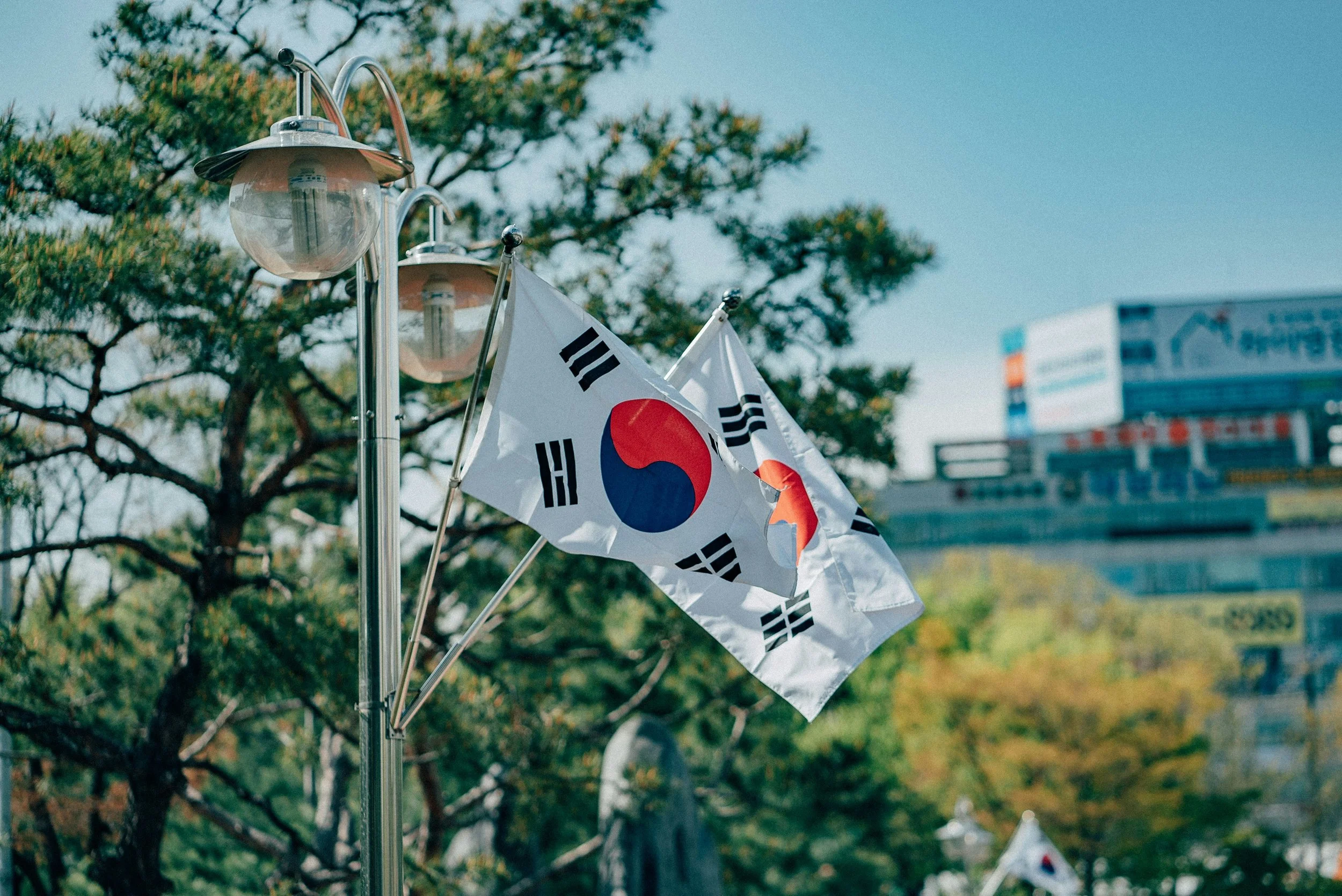
On Sunday, August 16th, US President Donald Trump announced that he had ordered the Department of War to reduce the joint military exercises (between the US and South Korean militaries) on the Korean Peninsula. I’d like to give some nuance to this situation, because whatever Trump’s motives, this public statement creates a small window of opportunity to open peace talks to end the Korean War.
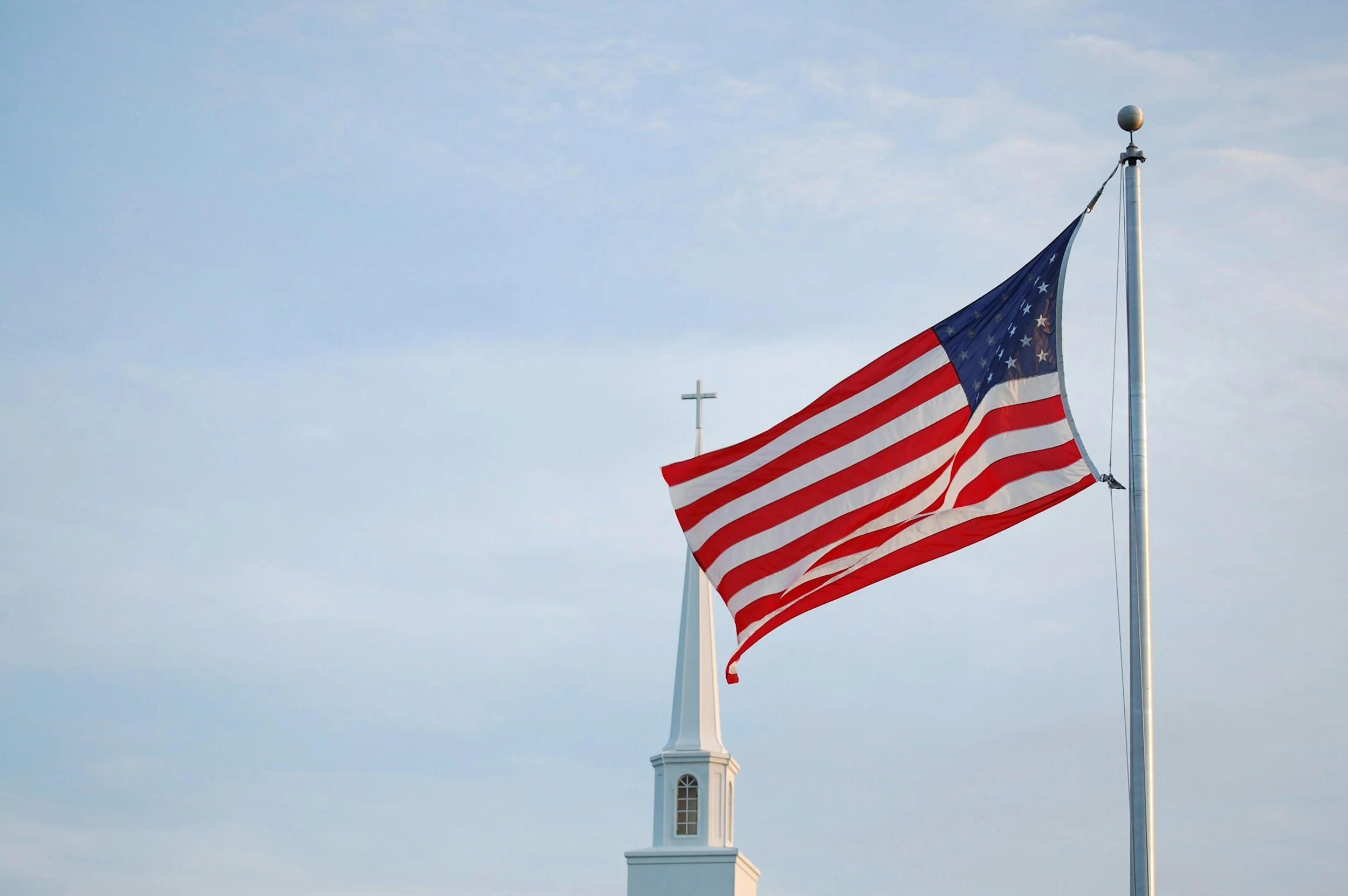
The argument for nonviolence needs to come from people who know what violence actually costs, not just from scholars who've read about it. Veterans need to be the primary voices calling the church to account. So here’s what I think the church actually owes to veterans and others, and what it looks like for the church to repent.

This is now the fourth war I have lived through in Lebanon. Each time violence returns, it carries old memories with it. Old fears. Old grief. In moments like these, I often find myself asking again: How do we hold on to peace in the midst of darkness? How do we continue believing that God is good and that Jesus truly is the Prince of Peace when societies keep tearing themselves apart?
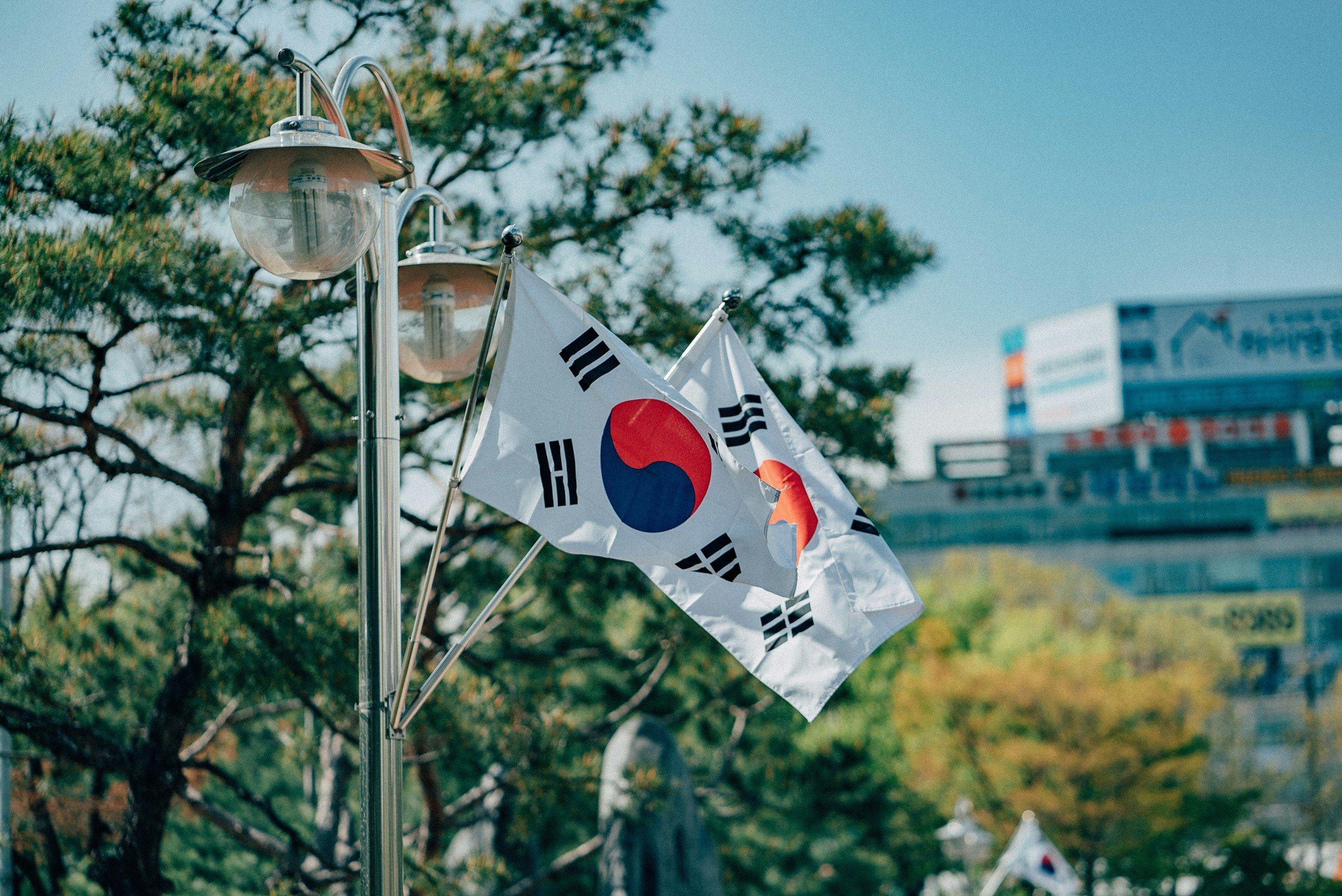
We must cultivate political will among American leaders to end the “forgotten” Korean war. It is long past time for the Korean people to have the peace and sovereignty they need to determine their own future. Here are some ways you can learn about the ongoing war and advocate for peace.

It has been one year since fighters from Hamas and other militant groups fired rockets and crossed the border from Gaza into Israel, brutally killing nearly 1,200 people and kidnapping 251 more, ripping apart families and traumatizing the country. It has been one year since Israel retaliated with airstrikes against the crowded cities of Gaza, soon to be followed by a ground invasion and blockade that cut Gaza’s access to food and fuel. Why do we care? Why don’t we just look away and trust these far-off countries to sort it out themselves?

Several nights ago, I was invited by my dear friend to come to Vratnik, but this time to a local “kafana” (pub) to come and sing Sevdah, a traditional genre of song from Bosnia that usually talks about unrequited love, tragedy, and fallen heroes. I’m a big advocate of in-person therapy, but oftentimes that type of therapy is unavailable or unattainable. So that evening, I decided to offer a different kind of therapy, the kind that sings songs of sorrow and gives permission to even the most hardened of men to experience the emotions of pain.

Peace Catalyst International unreservedly calls for a ceasefire in Palestine and Israel, the return of all hostages, secure humanitarian corridors, and an end to the widespread killing and destruction in Gaza.

For the past 10 years I developed an interest in studying trauma. I must admit that my interest in the topic started from purely selfish reasons. I wanted to investigate and try to explain to myself the events that took place in my past. And try to understand why I jump and scream every time there is a sudden loud noise, thinking who is shooting, from what direction, and is my life under threat? Slowly, this interest grew to a much larger scale. I took on the ambitious task of trying and understand how trauma travels through generations. And what consequences it leaves behind.

There is a constant battle between the individual longing for freedom and civilisation demanding conformity and repression of instincts. And so, individuals are constantly sending subtle and not-so-subtle messages about their feelings and this restricted freedom. I had this on my mind recently as I took the trolley bus through Sarajevo.
